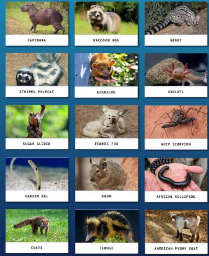
In today's increasingly popular pet culture, traditional cats and dogs are no longer the only pet choices for young people. Now, hamsters, geckos, spiders, and other "desktop exotic pets" are becoming new choices for young people to find emotional support and social interaction, thanks to their unique charm. From the therapeutic hamster to geckos, lizards, and even spiders and snakes—alternative "cold-blooded pets"—they are becoming emotional support and new social symbols for young people due to their low cost, high companionship, and strong sharing characteristics.
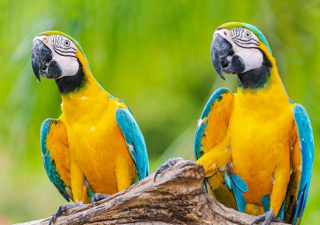
Exotic pets are short for exotic or unusual pets, referring to wild animals from other regions that are kept as pets for enjoyment and economic purposes, distinct from traditional cats and dogs. These include invertebrates such as insects, as well as vertebrates such as birds, mammals, amphibians, and reptiles.
Classification
Aquarium Pets
With the development of the aquarium industry in various countries, tropical ornamental fish can no longer satisfy the needs of customers seeking novelty. Therefore, exotic species such as ornamental shrimp, snails, and shellfish have gradually attracted people's attention. These creatures are not only inexpensive and easy to care for, but also require very little space, making them a top choice for people with fast-paced lifestyles who love nature. Later, with the introduction of saltwater fish, exotic creatures such as sea anemones and seahorses also joined the ranks of alternative pets.
Now, with the discovery of more aquatic species, more aquatic organisms are being attempted to be artificially bred and introduced to the market. Examples include: arapaima, starfish, sea anemones, shrimp, crabs, snails, jellyfish, and more.
It is worth noting that the hermit crab market primarily features terrestrial hermit crabs. However, aside from the widely distributed and large-population species like the grey hermit crab, many terrestrial hermit crabs are facing overexploitation and are nearly endangered. Since there are no successful cases of artificially breeding terrestrial hermit crabs worldwide, all market sales come from wild collection. Therefore, hermit crab enthusiasts should avoid purchasing rare species and, if they discover hermit crabs showing signs of laying eggs, they should release them into the nearest known habitat of their species.
Miniature Mammals
Miniature mammals are mainly small mammals, whose petite and adorable appearance makes them especially popular with women and children. Hamsters and chinchillas are the main players in the market, while larger animals such as lop-eared rabbits and pot-bellied pigs have fewer owners. However, they all share common characteristics: small space requirements, low expenses, minimal time commitment, rapid reproduction, and a perceived therapeutic effect.
Large Mammals
In the mammal market, alpacas (native to North America) are a prime example. Alpaca zoology includes the class Mammalia, order Artiodactyla, family Camelidae, genus *Laminaria*. Also known as the llama, alpaca are herbivores that are both wool and meat eaters with unique economic value. Alpaca wool has the highest economic value due to its excellent heat retention and abrasion resistance; its heat retention is 30% higher than that of Merino sheep wool, and its abrasion resistance is four times that of Merino wool. Alpacas are also cold-resistant animals. Alpacas are known for their habit of defecating in a fixed location. They enjoy sand baths and rolling around. An adult alpaca can cost 60,000 to 70,000 yuan, while a baby alpaca can fetch 40,000 to 50,000 yuan. The ancestors of alpacas, a global darling, originated in the North American Great Plains approximately 40 to 50 million years ago and migrated to South America 3 million years ago, when a land bridge formed between the two continents.
Reptiles
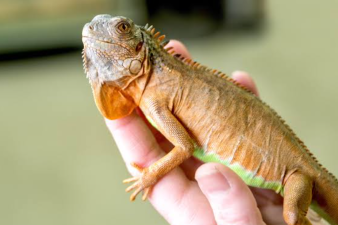
Reptiles are beloved by enthusiasts of the bizarre and unusual, primarily snakes, lizards, and turtles. They were once favorites among avant-garde men, non-mainstream individuals, and hippies. However, with increased awareness of nature, these creatures, once feared, have gradually become the mainstay of the alternative pet market and are widely favored by enthusiasts.
Insects
Insect pets mainly consist of singing insects and beetles. Nowadays, there are also enthusiasts of ants, ornamental cockroaches, stick insects, mantises, butterflies, and some aquatic insects (some butterfly species are legally protected), but their numbers are far less than those of beetles, singing insects, and fighting insects.
The Hercules beetle, the largest beetle in the world, is a prized collectible. Hercules, the species name, refers to the son of Zeus, the chief god of Greek mythology, and is revered as a powerful being.
Arthropods
Among exotic pets, insects have a similarly large following as reptiles, with spiders being a prime example, and venomous insects like scorpions and centipedes being the main products promoted. These primitive creatures are popular among young people due to their fierce appearance, wild nature, and a certain degree of danger. However, compared to other animals, arthropods are the cheapest and easiest to keep. They are usually quiet, don't take up much space, and can go for months without food, making them a top choice for many busy young people. (Note: Some species of spiders and scorpions are legally protected and cannot be kept as pets.)
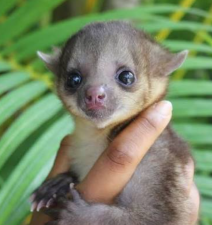
Why are more and more people falling in love with exotic pets?
It's not about following trends or seeking novelty, but rather a genuine love for them. A perfect balance of distance and gentleness. They don't require constant companionship, nor do they need constant emotional soothing. They don't cause noise or internal conflict; they are quiet, clean, and independent. Yet, with their stunning looks and unique habits, they quietly heal the weariness of adults. Cats and dogs represent passionate, fiery affection, while exotic pets offer a quiet, self-healing romance. They don't cater to mainstream aesthetics; they are niche, aloof, and unique. They don't need to please others; they only heal themselves.
A Rational Perspective: Exotic Pet Ownership Isn't Without Challenges
While keeping exotic pets is undoubtedly fun, it also presents some challenges. The purchase and trade of some exotic pets operate on the fringes of regulation, existing in a gray area. In response, relevant policies have clearly stated the need to severely crack down on the illegal introduction of alien species and strengthen the standardized management of the trade and release of exotic pets.
Furthermore, different types of exotic pets have drastically different care requirements. Reptiles and aquariums emphasize creating a suitable environment, while birds and rabbits focus more on nutritional management. Thorough understanding and preparation are essential before deciding to keep one.
These seemingly unusual little lives are providing urban youth with a haven of peace and comfort in their own unique way. They don't need much, yet they offer unexpected warmth and healing.
In this era of pursuing individuality, exotic pets are not just pets, but a lifestyle choice. They quietly exist in the corners of the city, providing the younger generation with an emotional comfort that differs from traditional options. Perhaps finding the most suitable life companion—regardless of whether it's traditional or not—is the most important thing.